
7 Warning Signs Your Sewer Line Is Failing Before It Backs Up Into Your Home
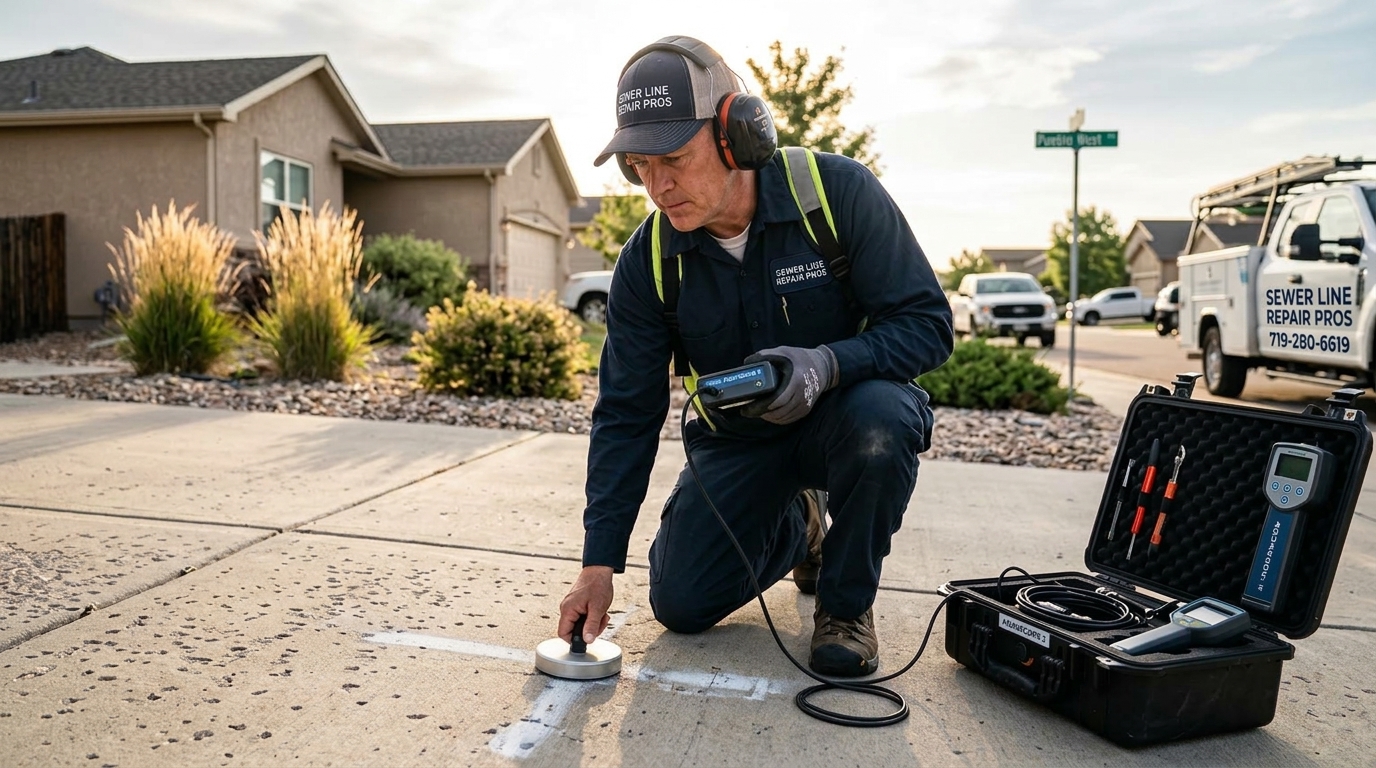
An underground sewer line failure is every homeowner's worst nightmare. When wastewater backs up through basement floor drains or shower pans, it causes thousands of dollars in ruined drywall, subflooring, and personal belongings—not to mention the severe biohazard risks of raw blackwater.
However, sewer laterals rarely collapse without warning. Long before wastewater overflows your bathroom fixtures, your plumbing system sends clear distress signals. Recognizing these seven warning signs early allows you to schedule a non-destructive sewer camera inspection and resolve the issue before catastrophe strikes.
1. Multiple Drains Running Slow Simultaneously
If a single bathroom sink drains sluggishly, you likely have a localized hair clog in the P-trap. But when your kitchen sink, shower drain, and downstairs toilet all drain slowly at the same time, the restriction is not inside your interior plumbing walls. It is located deep inside your primary 4-inch underground sewer lateral heading out to the municipal street main.
2. Gurgling Sounds When Using Other Fixtures
Have you ever flushed your upstairs toilet only to hear an ominous gurgling or bubbling sound coming from the bathroom sink or downstairs tub?
Sewer lines operate on a balance of water and air ventilation. When an underground tree root mass or heavy grease build-up chokes your lateral, rushing wastewater cannot displace air forward. Air is forced backward through plumbing traps, bubbling through water seals and creating distinct gurgling sounds.
3. Foul Sewer Gas Odors in Your Yard or Basement
A healthy sewer system is completely air-tight from your home to the municipal sewer main. If you detect persistent rotten egg, methane, or sulfur smells near your foundation, basement floor drains, or front lawn, you have an underground breach. Cracked clay tile pipes, separated PVC hubs, or dried-out cleanout traps allow dangerous hydrogen sulfide gas to migrate up through the soil and into your home.
4. Unusually Lush, Green Patches of Grass
In the arid high-desert climate of Pueblo West, lawns typically require consistent irrigation to stay green. If you notice a localized strip of grass across your front yard that is mysteriously lush, spongy, and vibrant green while the surrounding turf is dry, your sewer lateral is actively leaking. Untreated subterranean sewage acts as a potent artificial fertilizer, feeding the root systems of turf directly above the pipe rupture.
5. Depressions, Potholes, or Paver Settlement
When a sewer pipe cracks or a joint offsets beneath Pueblo County's expansive bentonite clay, wastewater doesn't just seep out—surrounding soil and sand wash into the pipe with every flush. Over weeks and months, this erosion creates subterranean caverns. Eventually, the ground collapses, creating sudden dips, sunken pavers, or cracked concrete along your driveway.
6. Recurring Clogs Despite Drain Snaking
If you find yourself calling a plumber every two to three months to snake your main drain, you are addressing the symptom, not the cause. Traditional mechanical drain snakes only punch a narrow 2-inch puncture through tree root masses. Within 60 to 90 days, roots drink in nutrient-rich wastewater, expand, and block the lateral again. Only high-velocity hydro jetting and seamless trenchless CIPP pipe lining can seal those entry joints permanently.
7. Foundation Cracks and Soil Heave
In southern Colorado, where expansive Pierre Shale clay expands by up to 20% when wet, a leaking underground sewer line adjacent to your foundation is an acute structural threat. Escaping wastewater saturates the bentonite clay beneath your footings, exerting immense upward hydraulic pressure that cracks concrete foundation walls and causes interior doors to stick.
Noticing Any of These Warning Signs?
Do not wait for sewage to back up into your living spaces. Our certified diagnostic technicians can perform a comprehensive video inspection and pinpoint the exact depth, location, and condition of your sewer lateral.
Schedule Diagnostic Inspection: (719) 280-6619